


A Quite Room & Insects Free Home - Door Bottom Seal
Every homeowner wants a comfortable, noise-free living space. One often overlooked element that plays a significant role in achieving this is the door bottom seal. This simple yet effective component can make a noticeable difference in your home's comfort, energy bills, and overall protection against the elements.
Understanding the importance of a door bottom seal helps you appreciate how small changes can lead to big improvements in your home’s comfortability.
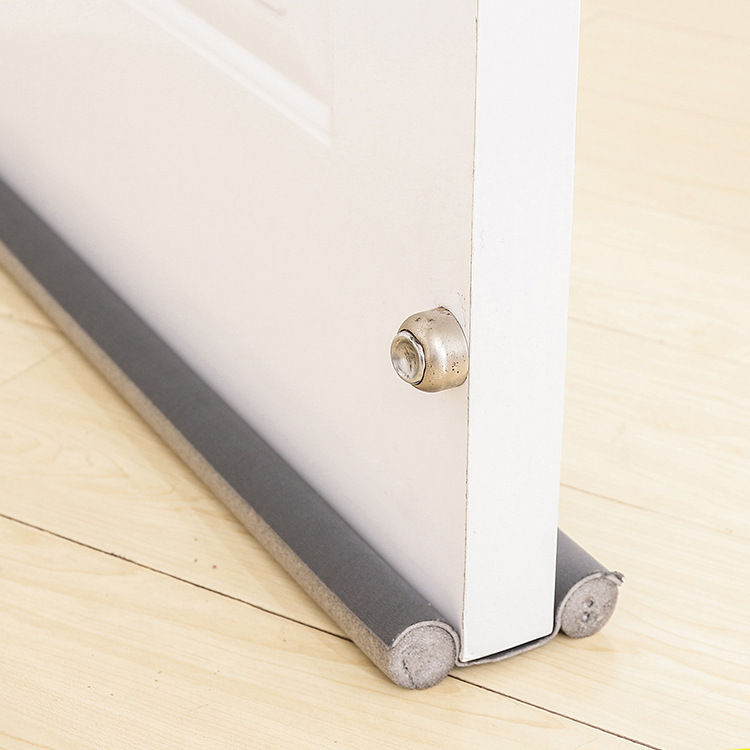
What Is a Door Bottom Seal?
A door bottom seal is a strip of material attached to the bottom edge of a door. Its main function is to close the gap between the door and the floor, preventing air, dust, moisture, and insects from entering the home. These seals come in various materials such as rubber, silicone, vinyl, or metal combined with flexible inserts.
The seal can be a simple strip that brushes the floor or a more complex mechanism that compresses when the door closes. Regardless of the type, the goal remains the same: to create a barrier that improves insulation and blocks unwanted elements.
Benefits of Door Bottom Seals
Beyond energy efficiency, door bottom seals offer several practical advantages:
Keeps Out Dust and Allergens
Gaps under doors allow dust, pollen, and other allergens to enter your home. A door bottom seal acts as a barrier, improving indoor air quality and reducing allergy symptoms.
Blocks Insects and Pests
Small insects like ants, spiders, and even rodents can squeeze through door gaps. Sealing the bottom of your doors helps keep these unwanted visitors outside.
Prevents Water Damage
During heavy rain or cleaning, water can seep under doors, causing damage to floors and walls. A door bottom seal helps prevent water intrusion, protecting your home’s structure.
Noise Reduction
Sealing gaps under doors can reduce noise from outside or other parts of the house, creating a quieter, more peaceful environment.
Choosing the Right Door Bottom Seal
Selecting the right door bottom seal depends on your door type, floor surface, and specific needs. Here are some common types:
Rubber or vinyl sweep: Flexible strips that brush the floor, ideal for smooth surfaces.
Automatic door bottoms: Mechanisms that drop a seal when the door closes, providing a tight fit without dragging.
Door shoes: Metal or plastic covers with an integrated seal, offering durability and protection.
Foam tape: Adhesive strips that fill small gaps, suitable for temporary or light sealing.
Consider these factors when choosing:
Door material and thickness
Floor type (carpet, hardwood, tile)
Climate and weather conditions
Ease of installation and maintenance
How to Install a Door Bottom Seal
Installing a door bottom seal is a straightforward DIY project for most homeowners. Here’s a basic guide:
Measure the door width: Get the exact width to cut the seal to size.
Choose the seal type: Pick one that suits your door and floor.
Clean the door bottom: Remove dirt and dust for better adhesion or screw placement.
Cut the seal to length: Use a utility knife or scissors.
Attach the seal: Use screws, adhesive, or slide it onto the door edge, depending on the product.
Test the fit: Close the door to ensure the seal contacts the floor evenly without dragging.
If unsure, many hardware stores offer installation services or can recommend professionals.


Comments